The integrated biofuel ecosystem jointly developed by Arkas Bunker and DB Tarımsal Enerji was highlighted at the IMO as a model example, thanks to its transparent and certified system that extends from waste collection to fuel production.
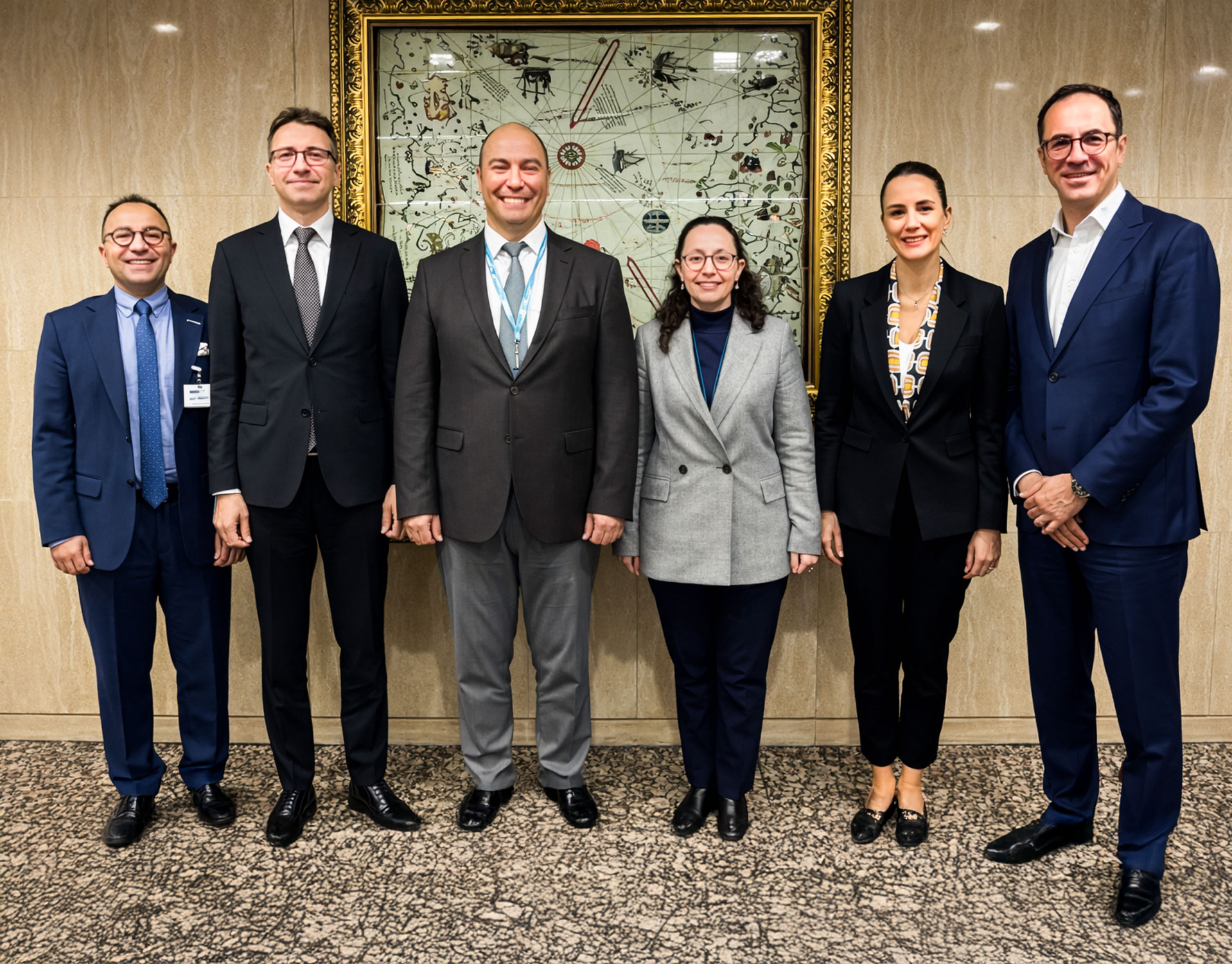
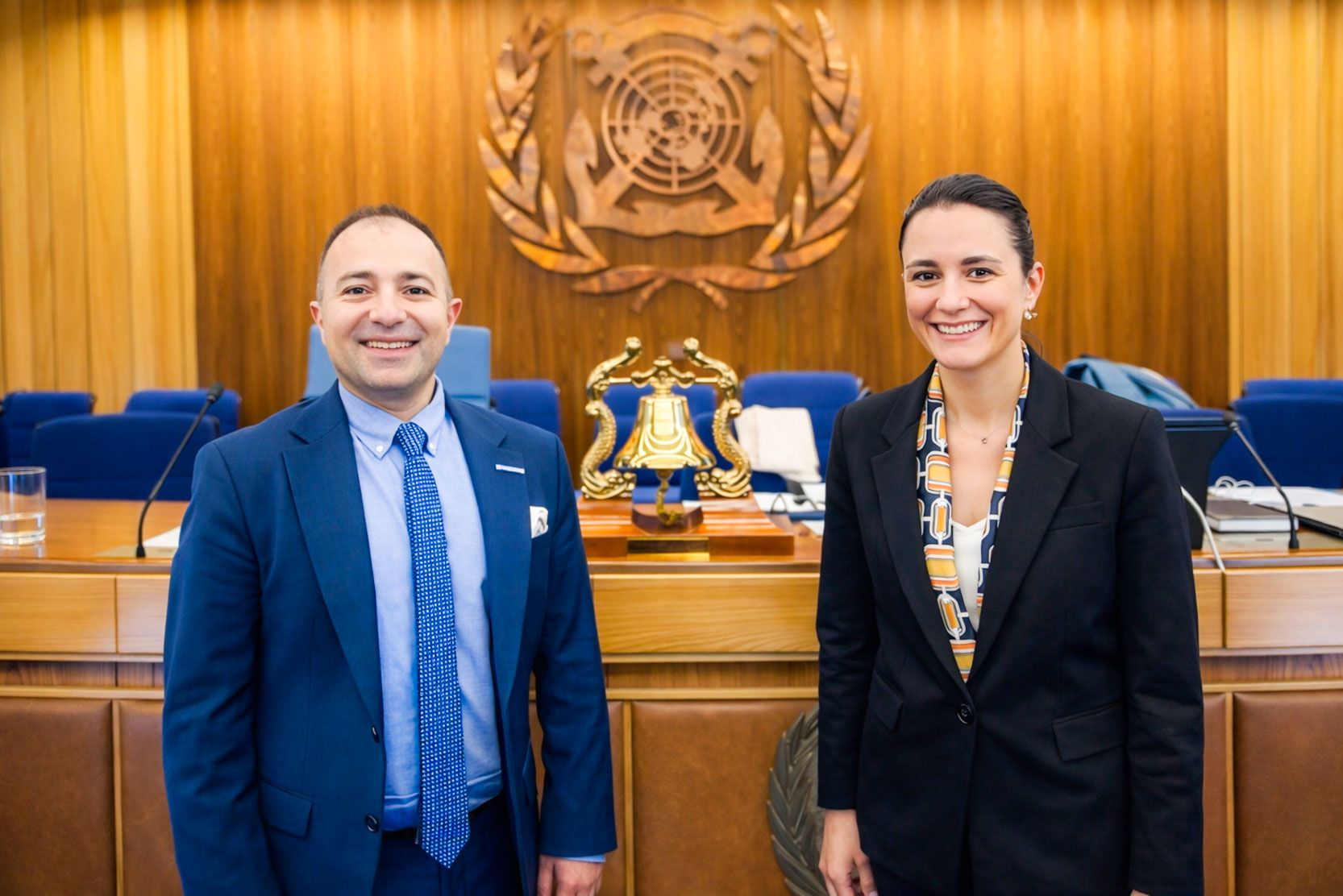
Hosted by the IMO, the Maritime Biofuels Technical Seminar was held in London under the Future Fuels and Technology (FFT) Project. Arkas Bunker and DB Tarımsal Enerji attended on behalf of the Biofuel Industry Association, under the coordination of the Ministry of Transport and Infrastructure of the Republic of Türkiye. During the seminar at IMO Headquarters, Arkas Bunker Sustainability Manager Erdinç Altun and DB Tarımsal Enerji Corporate Communications and Sustainability Manager Pınar Kılınç delivered a joint presentation titled “Unlocking the Potential Beyond Compliance,” where they introduced Türkiye’s integrated and certified biofuel model covering the entire process from waste to fuel.
A Model That Goes Beyond Regulation
This structure, introduced in Türkiye for the first time, provides a framework that goes beyond global standards through an ISCC-EU certified supply chain, operational transparency, and data-driven traceability. The model was designed not only to meet regulatory requirements but also to support sustainable growth and ensure long-term operational continuity.
In his remarks, Altun stated, “For Arkas Bunker, sustainability is not simply a framework for compliance; it is a core part of operational excellence and long-term value creation.”
Proven Field Expertise Through Drop-in Biofuel Operations
Arkas Bunker’s drop-in biofuel bunkering operations stood out because they can be carried out without requiring any technical modifications to existing vessel infrastructure. This operational flexibility provides a practical and cost-effective solution for the maritime industry’s short-term carbon reduction efforts.
Altun added, “Our drop-in biofuel solutions, fully compatible with existing infrastructure, allow the sector to take part in the transformation starting today.”
Local Waste Converted into Biofuel in Line with International Standards
Under DB Tarımsal Enerji’s ISCC-EU certified supply and production framework, locally sourced vegetable waste oils are converted into sustainable marine fuel and reintegrated into the circular economy.
Commenting on the project, DB Tarımsal Enerji Corporate Communications and Sustainability Manager Pınar Kılınç stated, “As part of this project, which included two years of R&D efforts, vegetable waste oils are transformed into sustainable marine fuel. Produced in line with international sustainability standards, this fuel offers up to a 93.7% reduction in carbon emissions compared to fossil fuels.”
This production framework not only supports the national maritime sector in strengthening its competitive position under international regulations, but also reinforces Türkiye’s strategic role in the low-carbon fuel supply chain.
She added, “At DB Tarımsal Enerji, we believe our production model — built on transparency, traceability, and certification — creates value that goes beyond current global standards.”
Strong Representation on the International Platform
During bilateral meetings held as part of the seminar, participants emphasized that the approach presented by Arkas Bunker and DB Tarımsal Enerji helps position Türkiye as a biofuel bunkering hub.
Feedback from international delegates confirmed Arkas Bunker’s strong representation and operational expertise in green maritime practices.
Representatives from Arkas Bunker and DB Tarımsal Enerji also noted that they will continue developing sustainable maritime fuel solutions that address current needs and align with the 2030–2050 targets.